 Русский
 English
 हिन्दी
 Türkçe
 Español
 Deutsch
 Italiano
 Français
 Português
 Polski
 中文
中文 Bahasa Indonesia
 日本語
日本語 বাংলা
বাংলা Tagalog
 Ελληνικά
 Български
 Svenska
 Tiếng Việt
 한국어
한국어 Suomi
Suomi Norsk
Norsk Nederlands
 فارسی
فارسی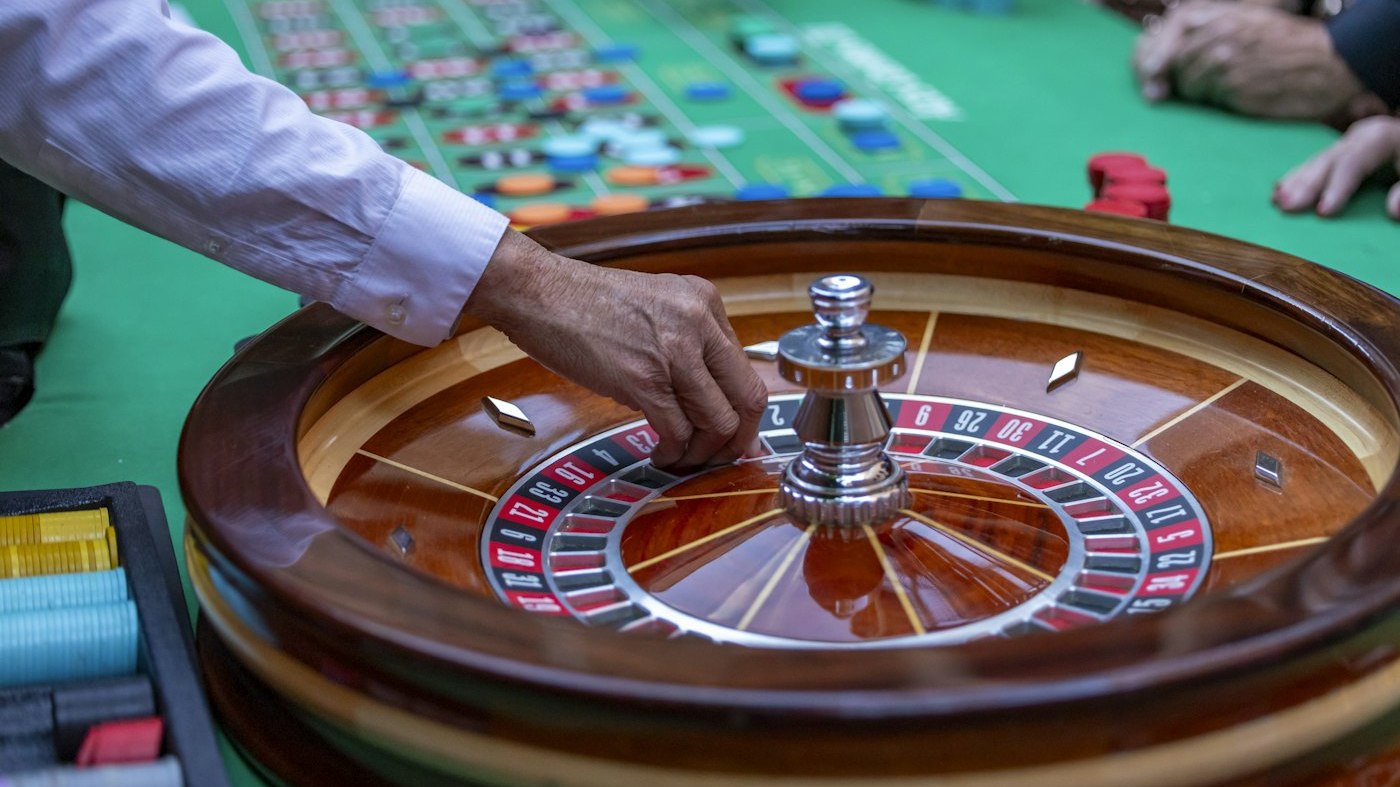
Roulette is one of the most recognisable casino games. The dealer spins a ball around a rotating wheel with numbered pockets, while players place their bets in advance on where it will land. The rules look simple, but behind them is straightforward maths: the type of bet determines both your chance of winning and the size of the payout. Below we cover everything in order - the layout of the wheel and the table, inside, outside, and sector bets, how a round unfolds, the role of zero, and the differences between roulette versions.
The Wheel and the Numbers
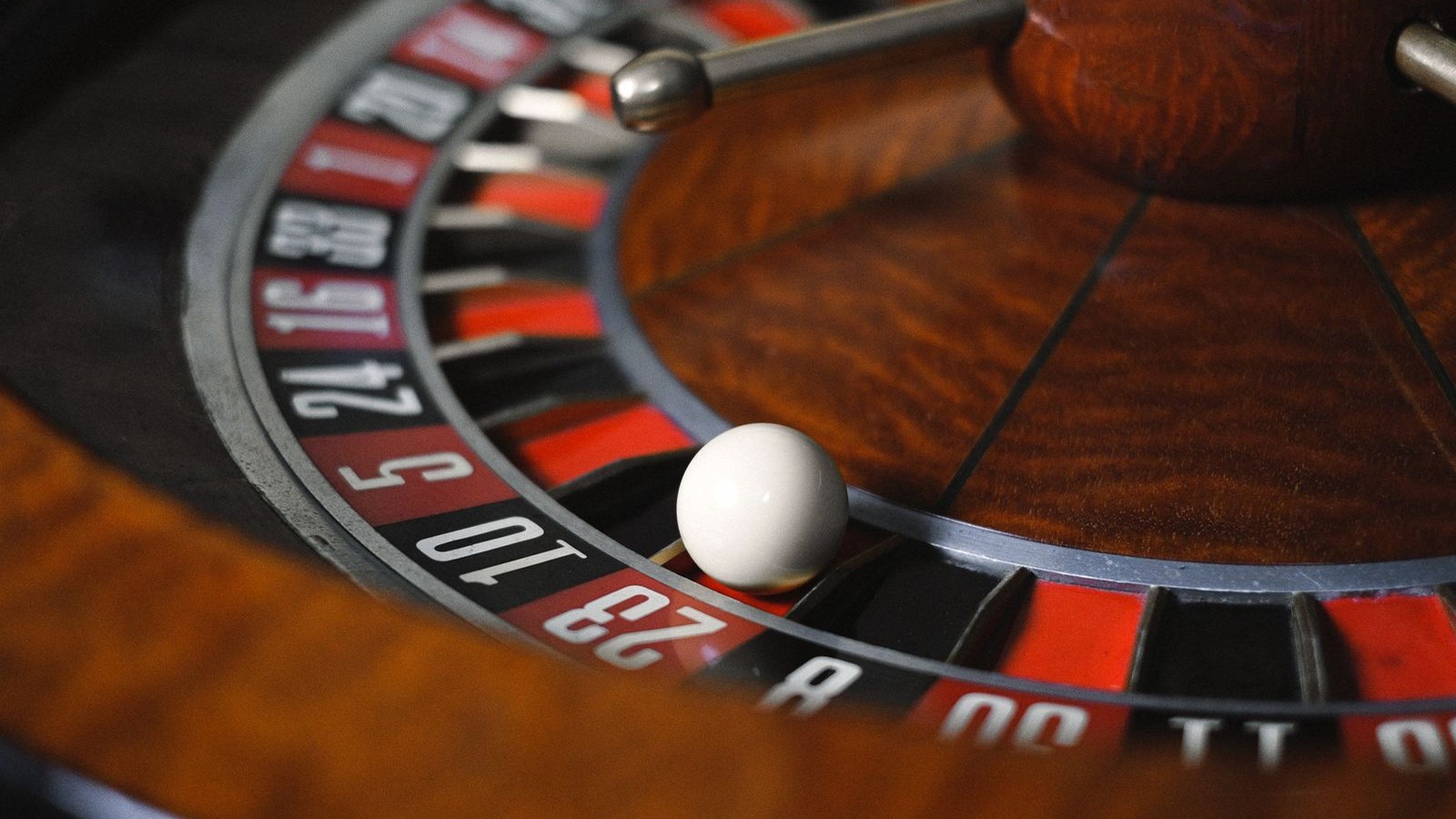
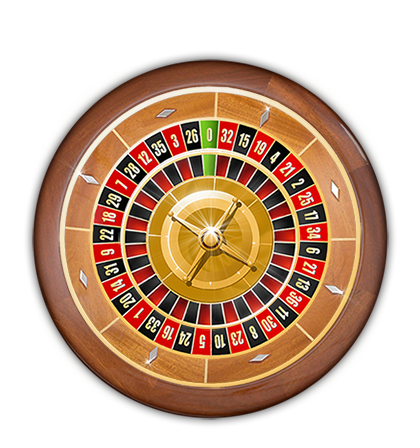
The wheel is divided into numbered pockets. The European wheel has 37: the numbers 1 to 36 plus a single zero (0). The American wheel has 38, because it adds a second zero (00). The numbers are coloured red and black, and zero is green.
The numbers on the wheel are NOT arranged in order: the sequence is deliberately mixed, and red and black pockets alternate so the distribution stays even. That's why numbers that sit next to each other on the wheel (for example, 0 and 32) are far apart on the table.
The Table
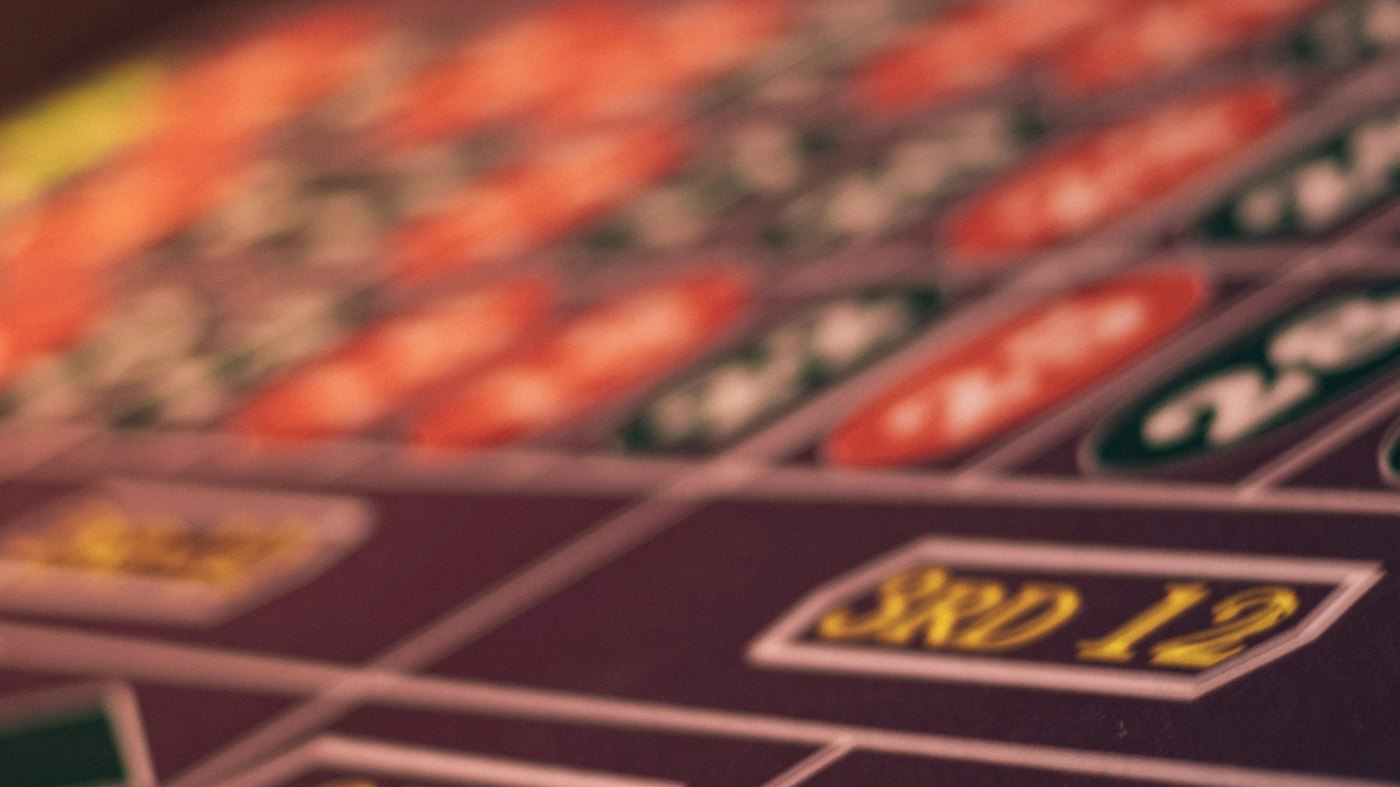
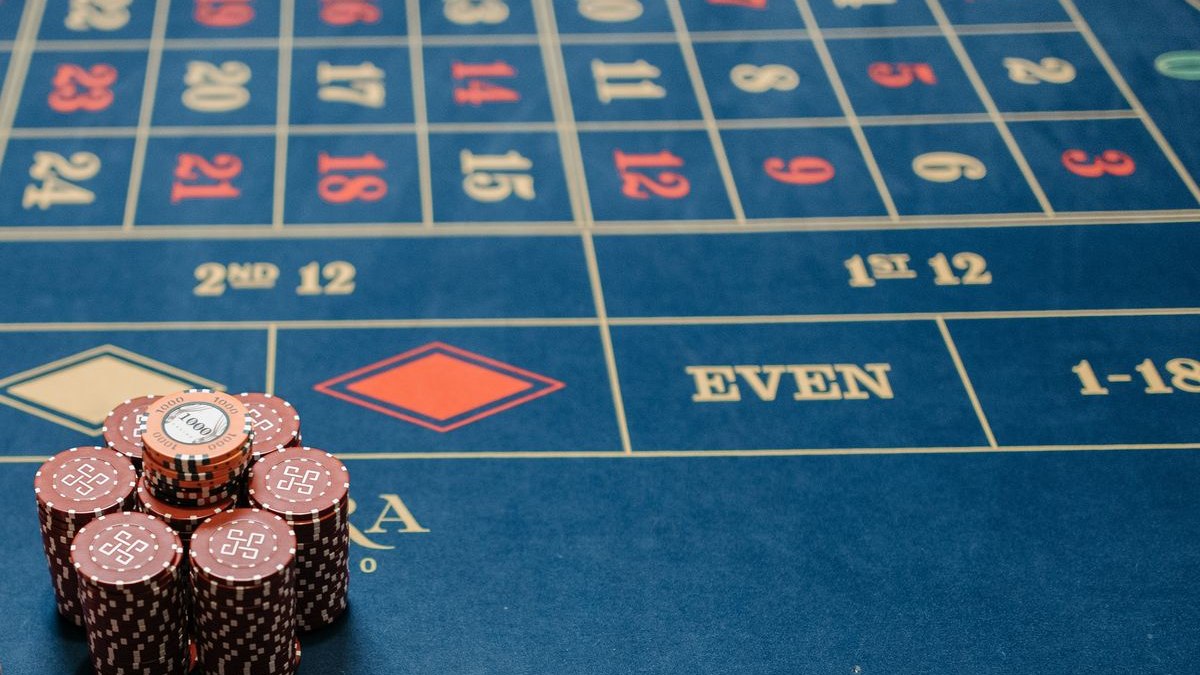
The table lays the numbers out as a grid: three rows of twelve numbers (1-36) plus zero at the top. Around the main grid are the boxes for outside bets - red and black, even and odd, low and high numbers, dozens and columns. Many tables also have a separate oval wheel diagram (the racetrack) for sector bets.
A bet is placed with chips: you put them on the number you want, on the border between numbers, or on an outside box - the position of the chip determines the type of bet.
Inside Bets
Inside bets are placed on specific numbers within the grid. The fewer numbers a bet covers, the higher the risk and the bigger the payout:
- Straight up - a bet on one number. Pays 35:1, with a chance of about 2.7% in the European version;
- Split - a bet on two adjacent numbers. Pays 17:1;
- Street - a bet on three numbers in a row. Pays 11:1;
- Corner - a bet on four numbers forming a square. Pays 8:1;
- Six Line - a bet on six numbers (two rows). Pays 5:1.
The payouts aren't random: they're calculated to roughly match the probability of the event, minus the house edge.
Outside Bets
Outside bets cover large groups of numbers. The risk is lower, but so is the payout:
- Red or Black - pays 1:1, with a chance of about 48.6%;
- Even or Odd - 1:1;
- Low (1-18) or High (19-36) - 1:1;
- Dozen (1-12, 13-24, or 25-36, 12 numbers each) - 2:1;
- Column (one of three vertical columns, 12 numbers each) - 2:1.
Even-money outside bets (red/black and so on) are the most popular with beginners: they give you close to a fifty-fifty chance of winning, though they won't make up for a long losing streak.
| Bet | Covers | Payout | Chance (European) |
|---|---|---|---|
| Straight up | 1 number | 35:1 | 2.7% |
| Split | 2 numbers | 17:1 | 5.4% |
| Street | 3 numbers | 11:1 | 8.1% |
| Corner | 4 numbers | 8:1 | 10.8% |
| Six Line | 6 numbers | 5:1 | 16.2% |
| Dozen / Column | 12 numbers | 2:1 | 32.4% |
| Red/Black, Even/Odd, 1-18/19-36 | 18 numbers | 1:1 | 48.6% |
Sector (Announced) Bets
These are bets on groups of numbers that sit next to each other ON THE WHEEL, not on the table. They come from French roulette and are often available through the racetrack:
- Voisins du Zero (neighbours of zero) - a large sector around zero;
- Tiers du Cylindre (a third of the wheel) - the sector opposite zero;
- Orphelins (orphans) - the remaining numbers that don't fall into the two previous sectors;
- Jeu Zero - a small sector right around zero.
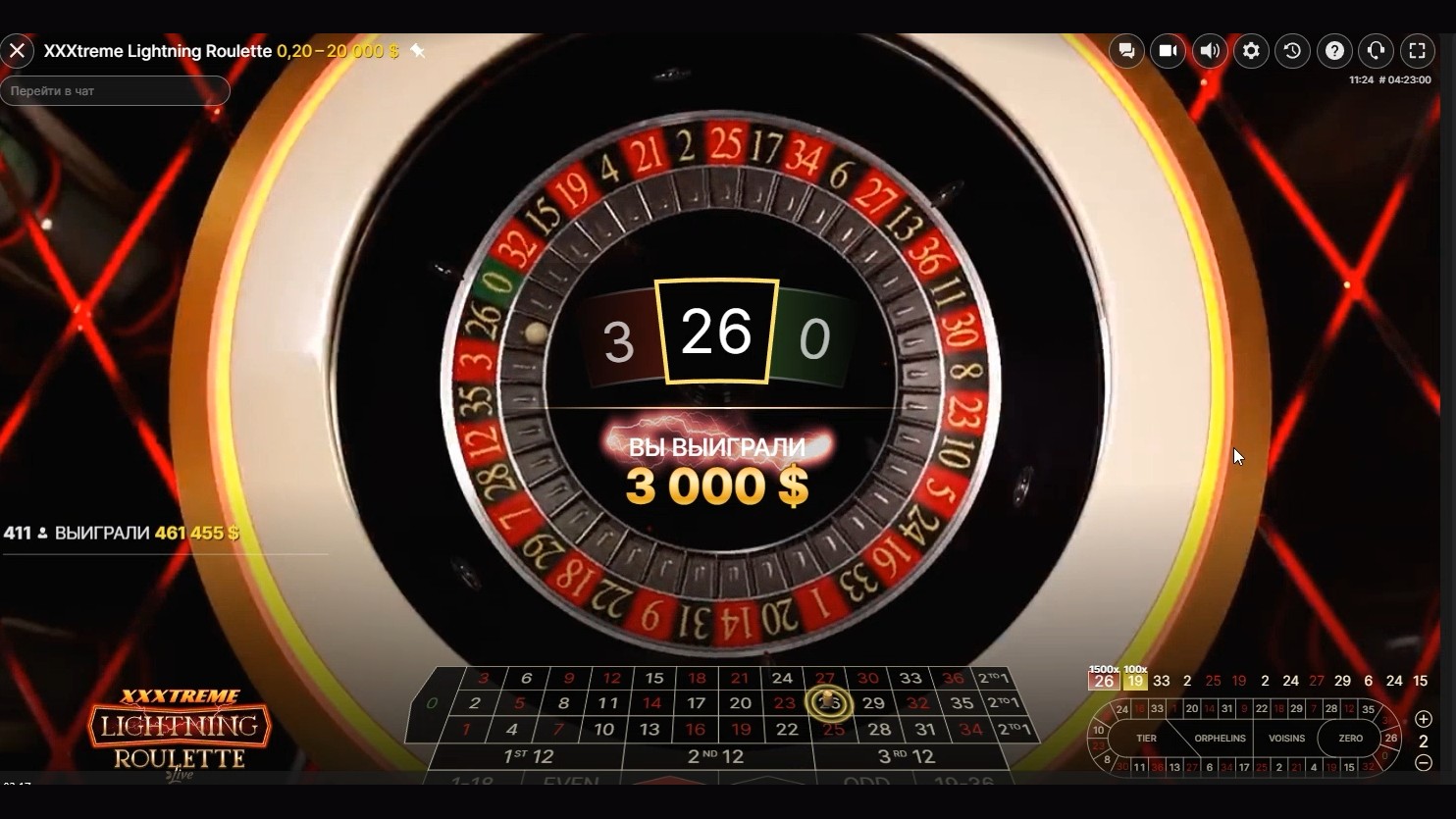
These sectors (Tier, Orphelins, Voisins, Zero) are convenient to track in the statistics: the service shows how long it's been since each sector last hit, alongside numbers and colours.
How a Round Works
First, players place their bets on the table. Then the dealer (in the online version - at the click of a button) launches the ball in the direction opposite to the wheel's spin. After the phrase "no more bets," new chips are no longer accepted. The ball settles in one of the pockets, the winning number is announced, payouts are made on every bet that covered it, and the rest of the chips go to the bank. Then a new round begins.
Zero and the House Edge
Zero is a key element of the rules. It's what gives the casino its mathematical edge: when zero comes up, even-money outside bets usually lose, even though zero itself has exactly the same probability as any other number.
This is where the difference in return between versions comes from. The theoretical return (RTP) of European roulette with a single zero is about 97.3% (house edge ~2.7%). American roulette, with two zeros, has a lower return - about 94.7% (edge ~5.26%). That's why European roulette is better value for the player than American.
European, American, and French Roulette
The three main versions differ in the number of zeros and a few extra rules. European has one zero. American has two zeros and worse maths for the player; more detail in our article on American roulette. French also has one zero, but adds the La Partage and En Prison rules: when zero comes up, the player gets back half of an even-money bet (or it's frozen for the next spin). This cuts the house edge on those bets to about 1.35%.
Common Misconceptions
The biggest misconception is the belief that roulette is "due" for a particular result. The wheel has no memory: every spin is independent, and the fact that red hasn't come up for ten spins in a row doesn't raise the chance of red on the next one. No betting system changes the maths of the game or guarantees a win - it only structures the size of your bets.
Real-Time Statistics
Knowing the rules is the foundation, but many players also keep an eye on statistics: how long it's been since a number, colour, dozen, column, or wheel sector last came up. The service shows this data for live tables from Evolution, Pragmatic, and Ezugi in real time, with round history and signals.
Remember: roulette is a game of chance, and statistics describe past rounds, not predict future ones. Play responsibly and within a budget you're comfortable with.