 Русский
 English
 हिन्दी
 Türkçe
 Español
 Deutsch
 Italiano
 Français
 Português
 Polski
 中文
中文 Bahasa Indonesia
 日本語
日本語 বাংলা
বাংলা Tagalog
 Ελληνικά
 Български
 Svenska
 Tiếng Việt
 한국어
한국어 Suomi
Suomi Norsk
Norsk Nederlands
 فارسی
فارسی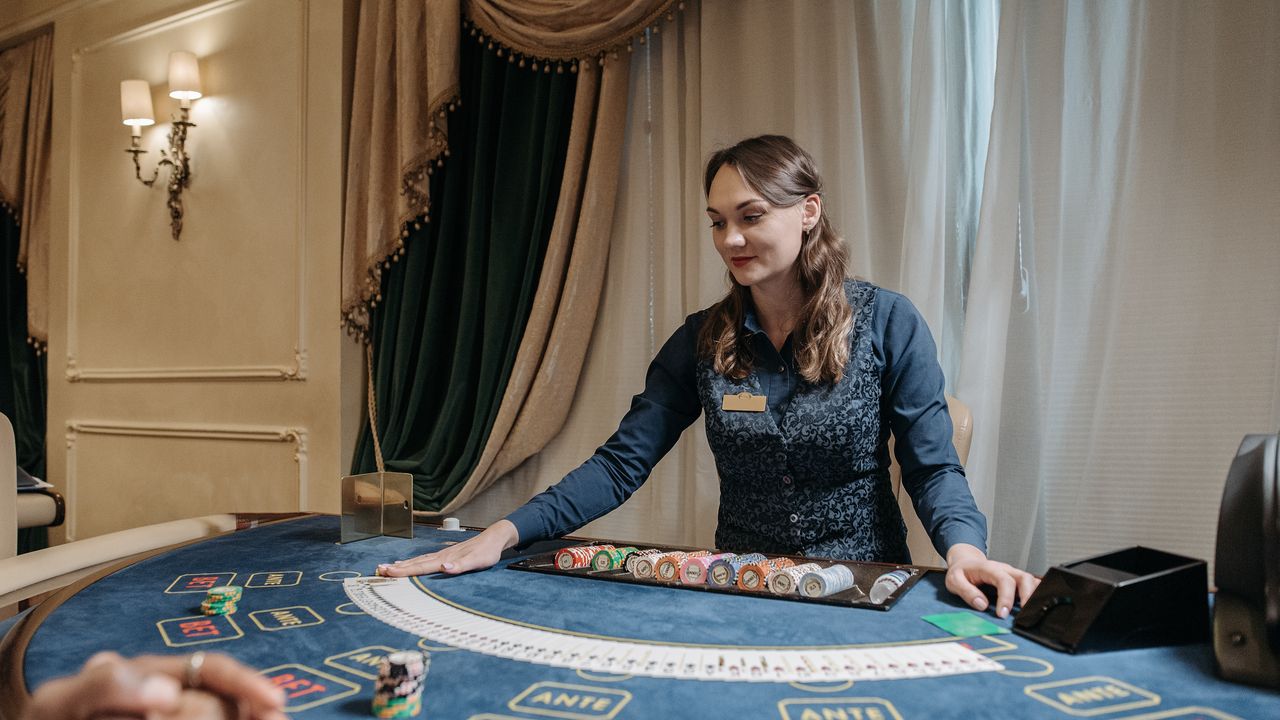
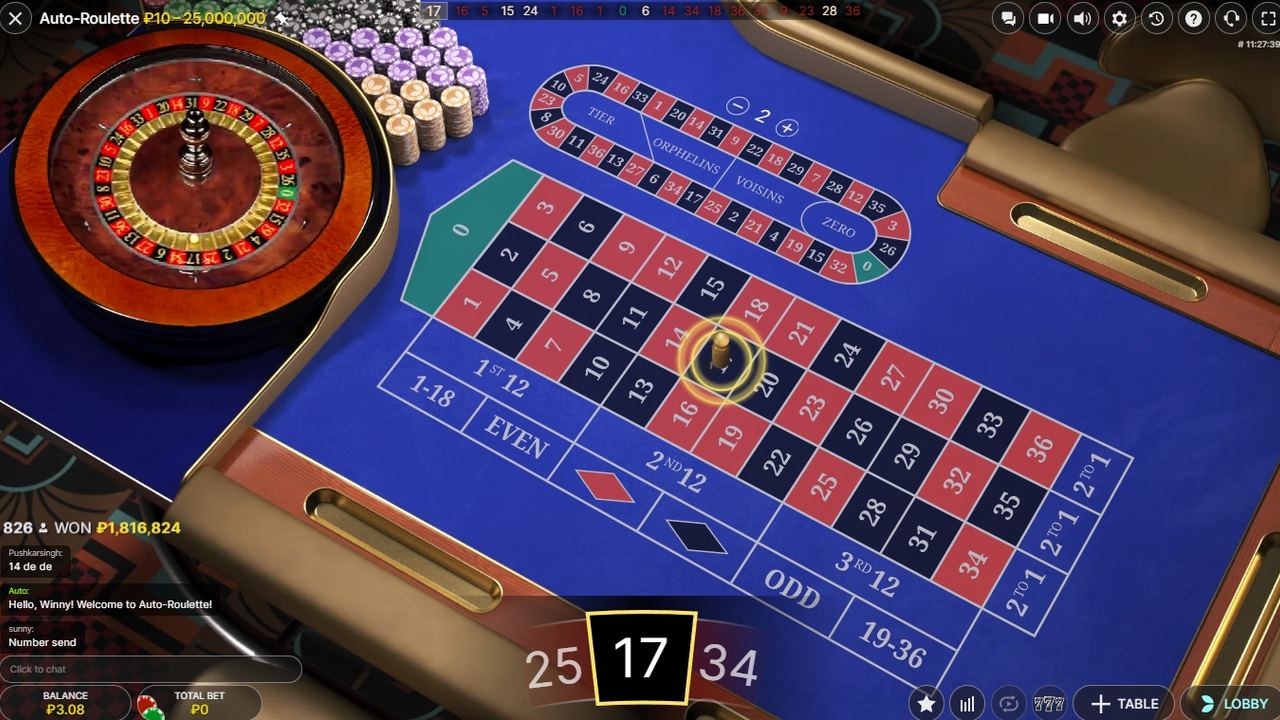
Live dealer roulette is an online game format where the outcome is decided by a real wheel and a croupier in a studio, while you watch the spin via a live video stream. Live roulette combines the atmosphere of a land-based casino with the convenience of online play: you place bets through the interface, but a real person spins the ball at an actual table. Online roulette with a live dealer does not use a random number generator - the outcome is born from the physics of the wheel. Let's look at how such tables work technically, their pros and cons, and why it is convenient to collect statistics specifically from live roulette.
What is live dealer roulette
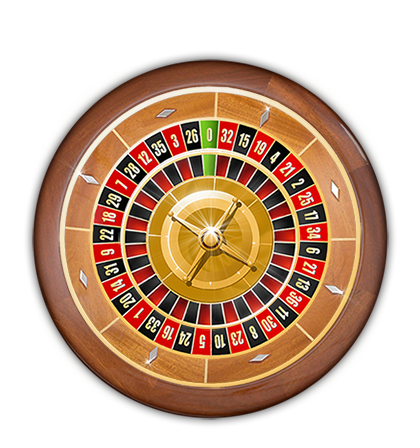
Live roulette is a broadcast of a real gaming table. In the provider's studio stands an ordinary European wheel with 37 pockets (0-36), a croupier works behind it, and several cameras transmit the picture to players around the world. You connect to a shared table, place bets through the screen and see the same spin as the other participants. The result is determined by the physics of the real wheel, not by a program.
How it works technically
Behind the picture is an infrastructure similar to a small television studio. The main elements:
- a real table with a physical wheel and ball, launched manually by the croupier;
- several cameras: a wide shot, a close-up of the wheel and the landing zone, sometimes a slow-motion replay;
- an OCR system that optically recognises the sector where the ball stops and passes the number to the game interface;
- servers that synchronise players' bets with the course of the round and maintain a shared feed of results.
The key difference from software roulette: a random number generator (RNG) is not used here. The winning number is taken not from an algorithm but from a real wheel filmed by a camera and recognised by OCR. That is why a live table has a single shared history of results for all players, and it can be recorded and analysed.
Live roulette providers
Live tables are made by several large studio providers. The casino does not create the roulette itself but hosts the games of these studios:
- Evolution - the largest live casino provider, from classic tables to Immersive with several cameras and Lightning with multipliers;
- Pragmatic Play - a lineup with Mega Roulette and localised tables;
- Ezugi - a focus on local and auto tables.
A detailed breakdown of the studios and their formats is in the article about live roulette providers. What formats of the game exist in general is in the overview of roulette types.

Pros of live roulette
What attracts players to the live format:
- transparency: you watch a real spin in real time, the wheel and croupier are visible on screen;
- a real wheel instead of an algorithm - the outcome is born from physics, not from a program;
- the atmosphere of a land-based casino: a live dealer, a shared table, a chat with the croupier;
- a shared feed of results from which statistics can be collected - streaks of numbers, colours, dozens and sectors not appearing.
Cons of live roulette
The format also has limitations:
- a slower pace: a round with a live croupier takes longer than the instant spin of the RNG version;
- no free demo - live tables work only for real bets, they have no practice mode;
- a stable internet connection is needed: the video stream requires a good channel, and with connection drops it is inconvenient to play;
- minimum bets at live tables are usually higher than at software versions, and VIP tables also have upper limits.
At the same time, the format does not change the maths of the game. On a European wheel with a single zero the house edge stays around 2.7%, and the return is about 97.3%. Each spin is independent: the wheel does not remember past results.
How it differs from RNG and First Person
Software roulette (RNG) does without a table and dealer: the number is chosen by a random number generator, not a physical wheel. At Evolution such versions are called First Person - it is RNG roulette with the option to move to a live table in one click. RNG versions are faster and often cheaper by minimum bet, but they have no shared history of results: each round is generated individually in your session. A detailed comparison of the formats is in the article about live and RNG roulette.
Why statistics are collected from live tables
The service collects data specifically from live and auto tables because they have a single public feed: all players see the same winning numbers. From such a feed you can count how long numbers, colours, dozens and sectors have not appeared, and view the history of rounds. Purely software RNG versions have no shared history, so statistics cannot be built from them. The live tables of Evolution, Pragmatic and Ezugi are available in the free roulette statistics.
Remember: the choice between live and RNG is a matter of convenience and atmosphere, not of the chances of winning. Each spin is random, and the house edge from the zero is preserved in any format. Play responsibly.