 Русский
 English
 हिन्दी
 Türkçe
 Español
 Deutsch
 Italiano
 Français
 Português
 Polski
 中文
中文 Bahasa Indonesia
 日本語
日本語 বাংলা
বাংলা Tagalog
 Ελληνικά
 Български
 Svenska
 Tiếng Việt
 한국어
한국어 Suomi
Suomi Norsk
Norsk Nederlands
 فارسی
فارسی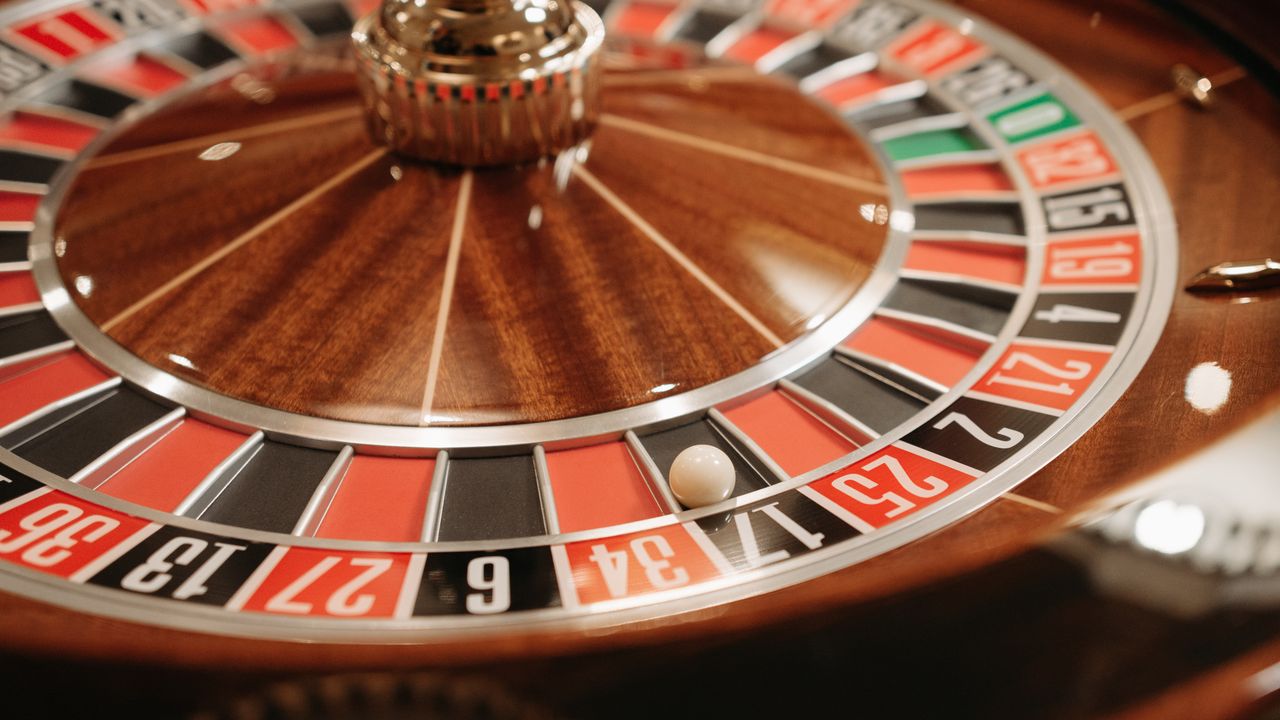
European roulette is the classic version of the game with a 37-cell wheel and a single zero, which has become the standard for most online and live tables. It differs from the American counterpart by the absence of a second zero, which makes the house edge almost half as large. This breakdown gathers the rules of European roulette, the order of numbers on the wheel, the layout of the betting field, all types of bets with payouts and the honest math of the return. Separately we show where to find live statistics for European tables.
The wheel: 37 cells and the order of numbers
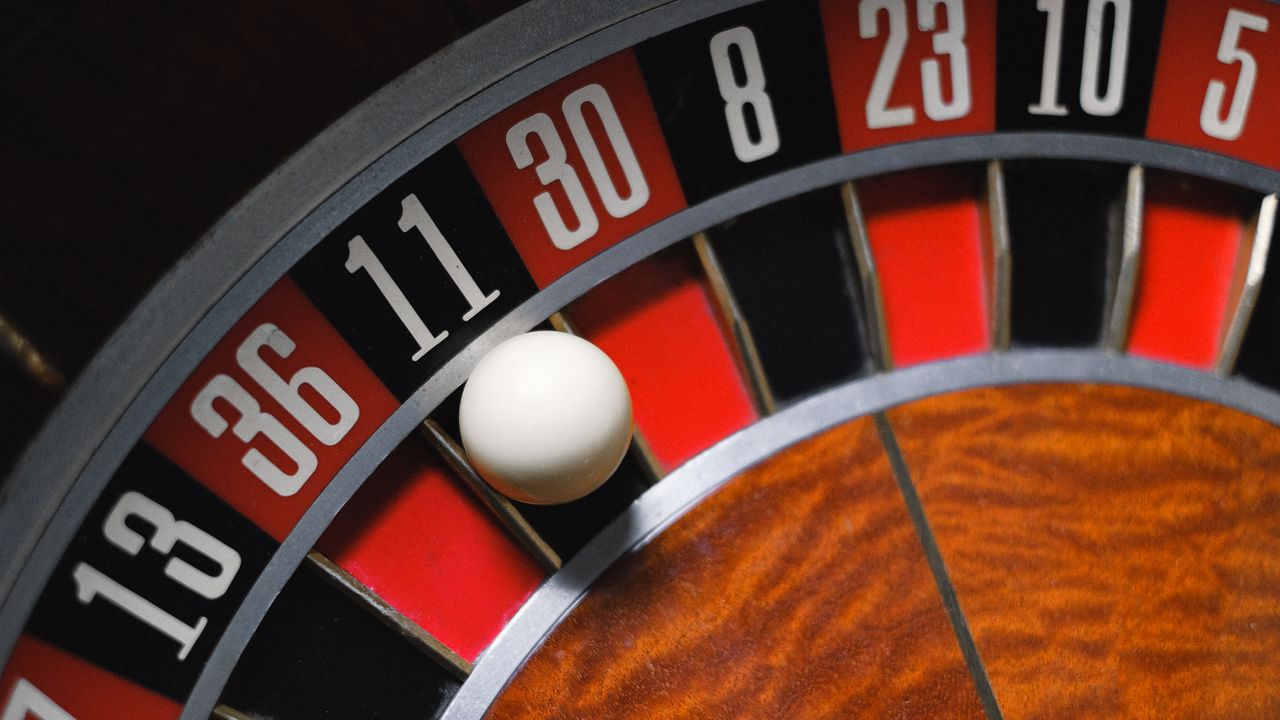
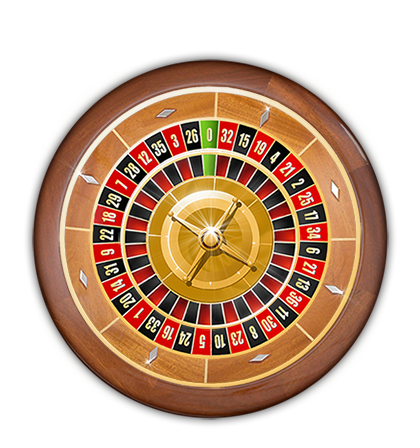
The European roulette wheel is split into 37 cells: numbers from 1 to 36 plus a single zero. Eighteen numbers are red, eighteen black, and the zero is marked green. There is a separate breakdown on the role of zero - what zero is in roulette.
The numbers on the wheel are arranged not in order but in a special sequence that alternates even and odd, red and black, high and low values. Clockwise from zero the row runs like this:
0, 32, 15, 19, 4, 21, 2, 25, 17, 34, 6, 27, 13, 36, 11, 30, 8, 23, 10, 5, 24, 16, 33, 1, 20, 14, 31, 9, 22, 18, 29, 7, 28, 12, 35, 3, 26.
This arrangement balances the wheel: neighboring numbers differ as much as possible. From this layout grow the playing sectors:
- Voisins du Zero (neighbors of zero) - 17 numbers around zero, from 22 to 25;
- Tiers du Cylindre (a third of the wheel) - 12 numbers opposite zero, from 27 to 33;
- Orphelins (orphans) - 8 numbers outside the two previous sectors;
- Jeu Zero - 7 numbers closest to zero.
These sectors are part of the call bets (bets by the wheel), which are not available at every table.
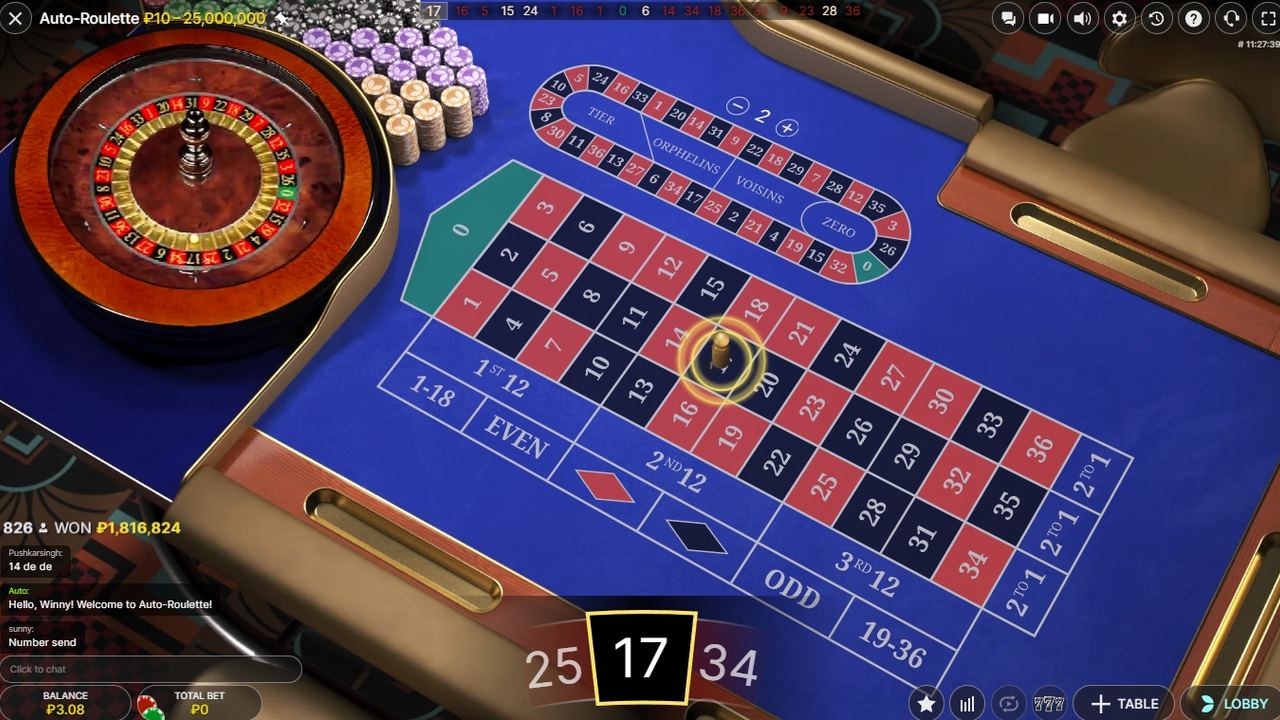
The betting field and layout
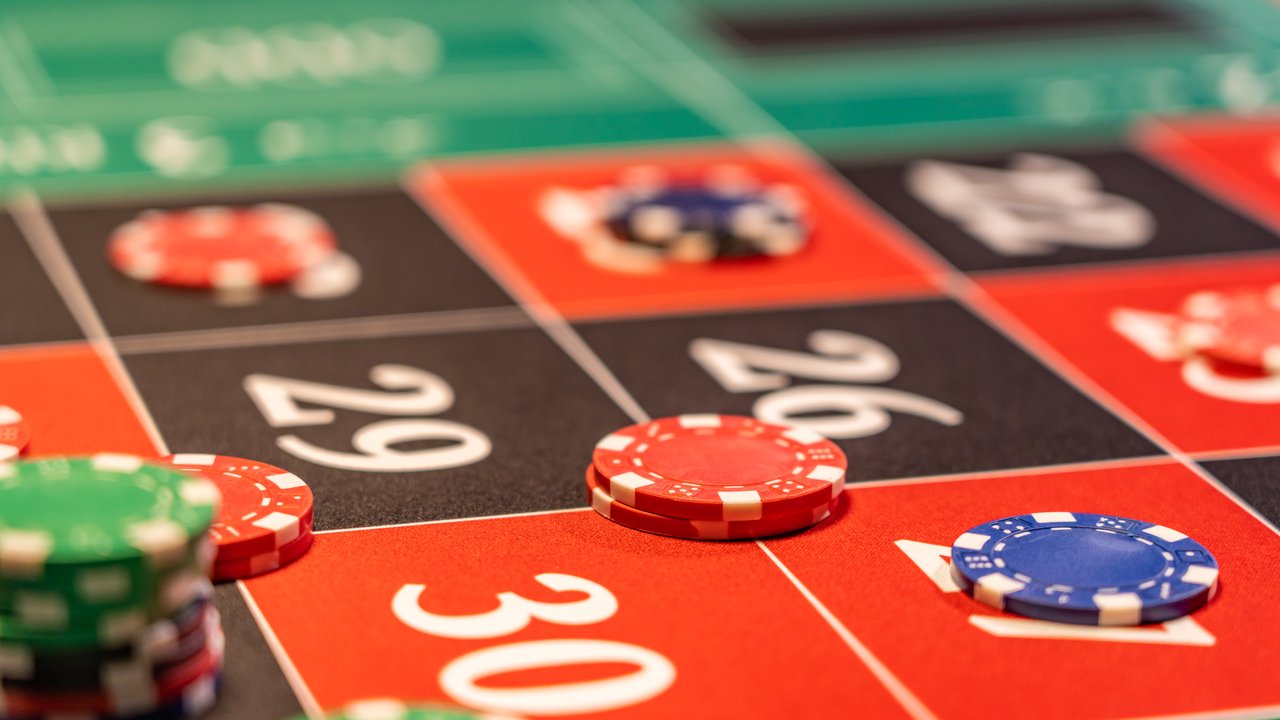
The betting field (the table layout) is arranged differently from the wheel. Numbers from 1 to 36 are lined up in a table of three columns and twelve rows, and zero is set apart in a separate cell at the top. Around the number grid are the fields for outside bets: red and black, even and odd, high and low numbers, dozens and columns.
All bets split into two groups. Inside bets are placed directly on numbers or on the borders between them in the grid. Outside bets cover large groups of numbers around the edges of the field. The fewer numbers a bet covers, the higher the payout and the lower the chance of hitting.
Inside bets and payouts
Inside bets give the highest odds because they cover from one to six numbers. The payout is stated as a ratio: 35:1 means that 35 times the bet is added to a winning bet, and the bet itself is returned.
| Bet | Numbers covered | Payout |
|---|---|---|
| Straight up | 1 | 35:1 |
| Split | 2 | 17:1 |
| Street | 3 | 11:1 |
| Corner | 4 | 8:1 |
| Line | 6 | 5:1 |
A straight up bet is placed in the center of a cell, a split on the line between two numbers, a street covers a row of three, a corner a square of four, and a line two adjacent rows, that is six numbers.
Outside bets and even money
Outside bets cover many numbers, so they pay less but hit more often. They are convenient for bankroll management.
| Bet | Numbers covered | Payout |
|---|---|---|
| Dozen | 12 | 2:1 |
| Column | 12 | 2:1 |
| Red / black | 18 | 1:1 |
| Even / odd | 18 | 1:1 |
| High / low | 18 | 1:1 |
Bets paying 1:1 are called even money, but even they are not, because of zero. If the ball lands on zero, all outside even-money bets lose (except at tables with a special rule, discussed below). It is zero that creates the house edge.
The house edge and RTP
The wheel has 37 cells, but a straight up bet pays as if there were 36. This difference is the built-in house edge: one extra uncovered outcome out of 37 gives 1/37, that is on average, over the long run, the table keeps about 2.7% of the bets.
The inverse is the theoretical return (RTP), equal to 97.3%. It is the same for all bet types on a classic European table: both a straight up bet and red/black return the same share in the long run. The odds and RTP do not change based on what came up before - the wheel has no memory, and each spin is independent. How RTP is calculated is covered in the article on roulette RTP.
Why European roulette is better than American
The main difference from the American version is the number of zeros. In American roulette a double zero (00) is added to the zero, which makes 38 cells. The extra cell almost doubles the house edge: it grows to 5.26%, and the RTP falls to 94.74%.
In practice an American table, with equal bets, takes on average almost twice as much, so mathematically the European version is preferable. A detailed breakdown of the double zero is in the article on American roulette.
The La Partage rule and a bridge to French roulette
At some European and French tables the La Partage rule applies. If the ball lands on zero, the player gets back half of the even-money bet instead of losing it all. This lowers the house edge on such bets to about 1.35%, and the RTP on them rises to almost 98.65%.
A similar rule, En Prison, freezes the bet until the next spin instead of returning half. Both are found mainly at tables set up as French roulette and work only for outside even-money bets. A standard European table may not have them, so the conditions should be checked in advance.
Live, auto and Lightning versions
The European wheel underlies most modern online formats. The main varieties:
- Live with a real croupier - the spin is run by a person in a studio;
- Auto roulette - the wheel spins automatically, spins go faster;
- RNG version - the result is determined by a random number generator, the table is software;
- Lightning and show formats - the same single-zero wheel plus random multipliers on individual numbers.
In all these formats the base math is the same: 37 cells, a single zero, a 2.7% house edge. Show versions like Lightning change the payouts on straight up bets, but do not remove the table's edge.
Where to find statistics for European tables
The service gathers live statistics for European roulettes online: you can see how long numbers, colors, dozens, columns and wheel sectors have not come up, plus the history of rounds. This helps you track streaks, though it does not change the randomness of each spin.